
PRODUCTS
—— PRODUCTS CENTER ——
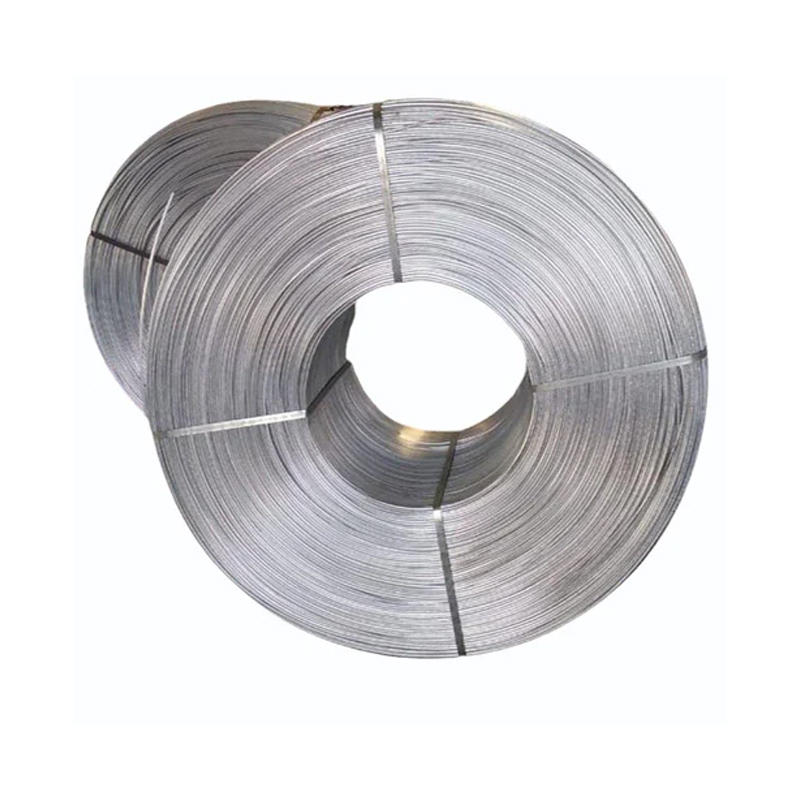
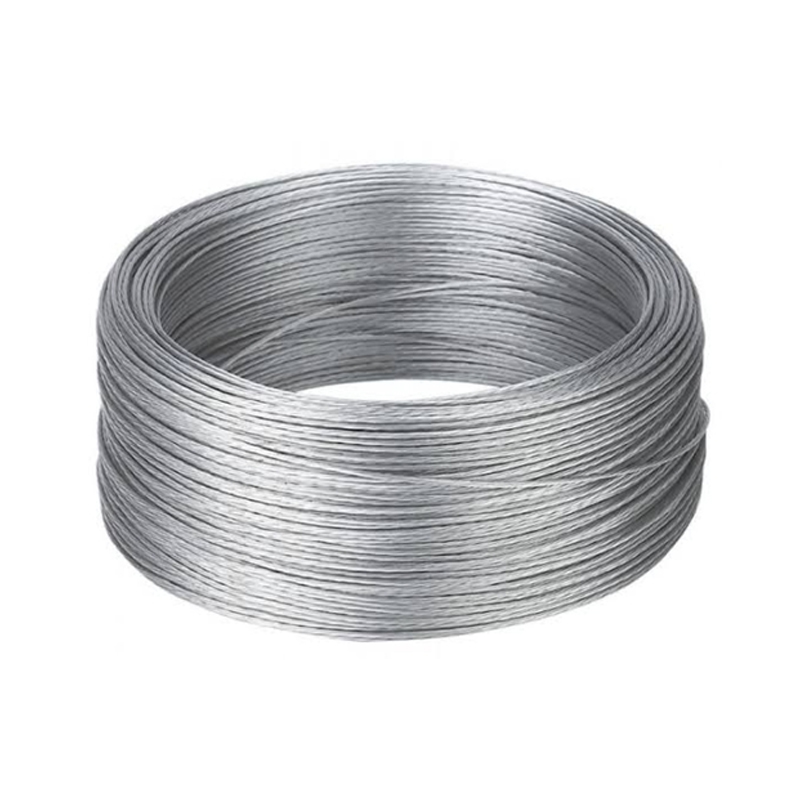
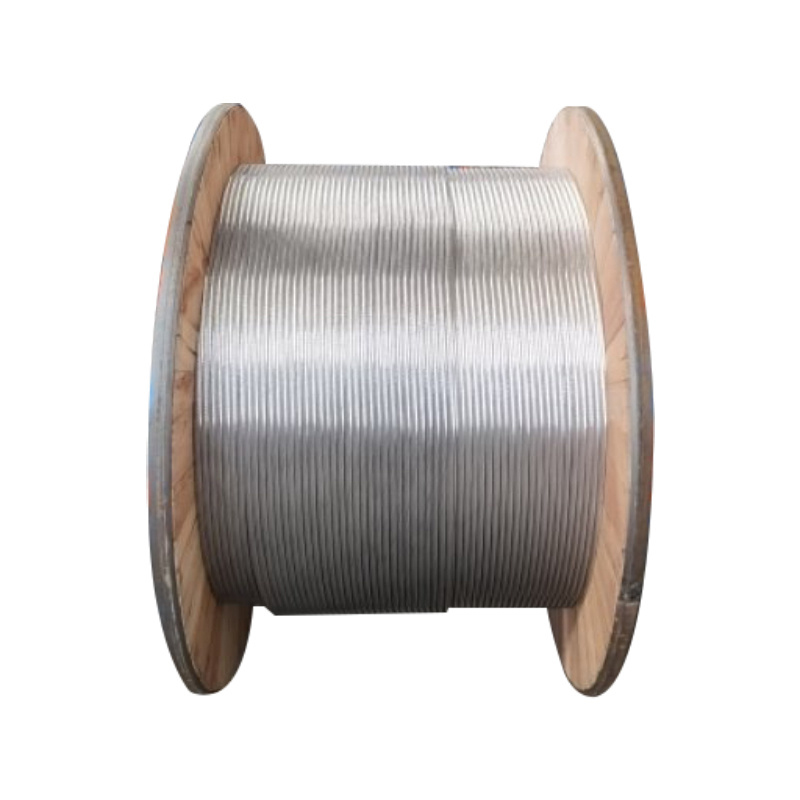
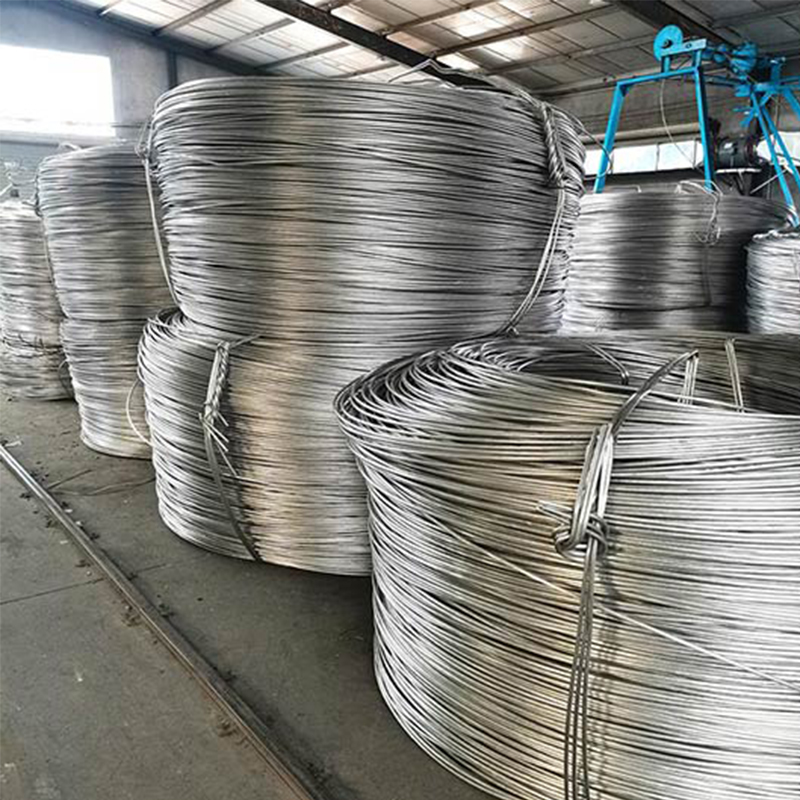
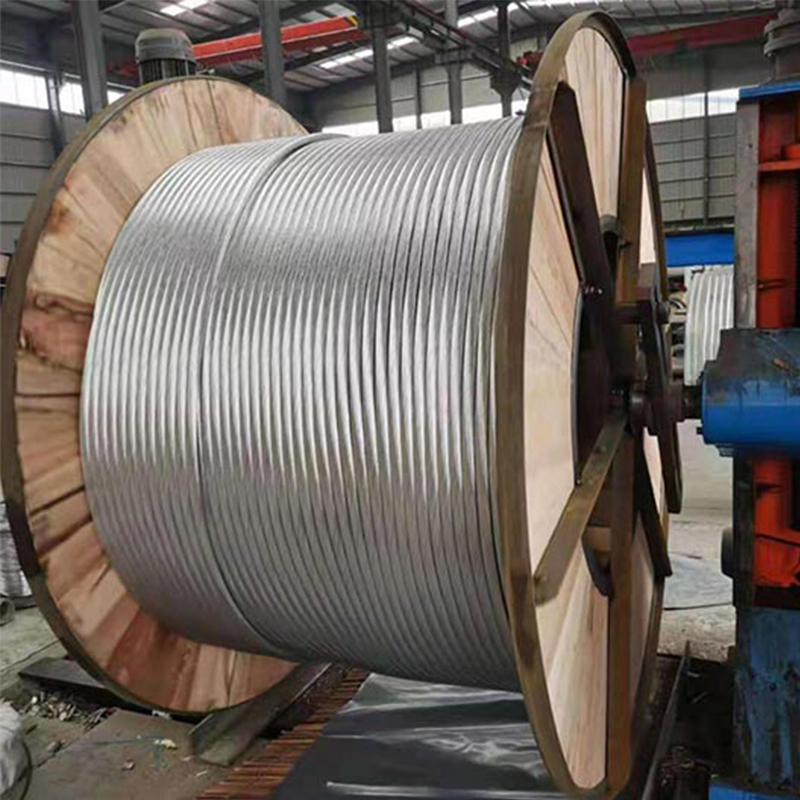
Aluminum stranded wire
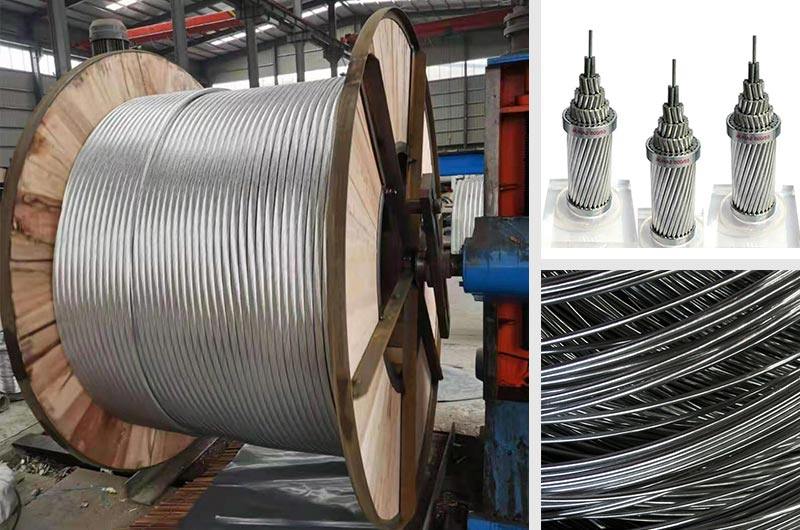
Aluminum stranded wire is a commonly used type of conductor in overhead power lines.
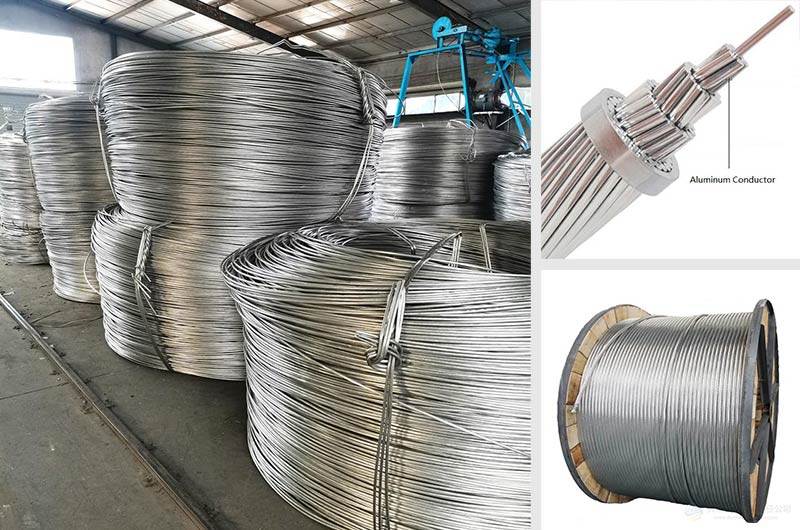
I. Structure and Materials
The aluminum stranded wire is entirely composed of multiple strands of pure aluminum round wire concentrically twisted together, without a steel core or other metals. The outer strands are oriented in the opposite direction to the inner strands, ensuring structural stability and preventing loosening. Compared to a single aluminum rod, multi-strand twisting significantly improves flexibility, facilitating installation and wiring; it also increases the heat dissipation area.
II. Core Performance and Characteristics
Electrical Performance: Conductivity is approximately 61% that of copper, but density is only 1/3 that of copper. Conductivity per unit weight is superior to copper, with moderate line loss. A dense alumina film easily forms on the surface, providing some corrosion resistance (superior to bare steel wire, but weaker than aluminum alloy/aluminum-clad steel).
2.Mechanical Performance: Tensile strength is lower than that of aluminum steel-cored stranded wire (ACSR), making it unsuitable for long-span, high-tension lines; lightweight, resulting in low installation costs.
Economic Performance: Aluminum resources are abundant, and the price is far lower than copper, making it a cost-effective choice for low-voltage distribution networks; however, the tension section and span are limited by mechanical strength.
Temperature and Environment: Long-term operating temperature generally does not exceed 80℃; in highly corrosive environments such as coastal areas and chemical industrial zones, additional anti-corrosion treatment or the use of corrosion-resistant aluminum alloy stranded wire is required.
3. Classification and Models
By Material: Pure aluminum stranded wire (LJ/JL), all-aluminum alloy stranded wire (AAAC, higher strength, suitable for medium spacing);
By Structure: Concentric single-layer/multi-layer stranded;
By Standard: National Standard (GB/T 1179-2008), IEC, ASTM, etc.;
Common Specifications: Nominal cross-sections range from 16 mm² to 800 mm², adapting to different current carrying capacity requirements.
consult
related recommendation
STEEL INDUSTRY CHAIN
We have established long-term cooperative relationships with many internationally renowned companies and projects. Our products are exported to hundreds of countries and regions around the world, winning wide market recognition and praise
NAVIGATION
PRODUCTS
MESSAGE

Thank you very much for writing to us. Please leave your message and contact information, we will reply to you within 24 hours.